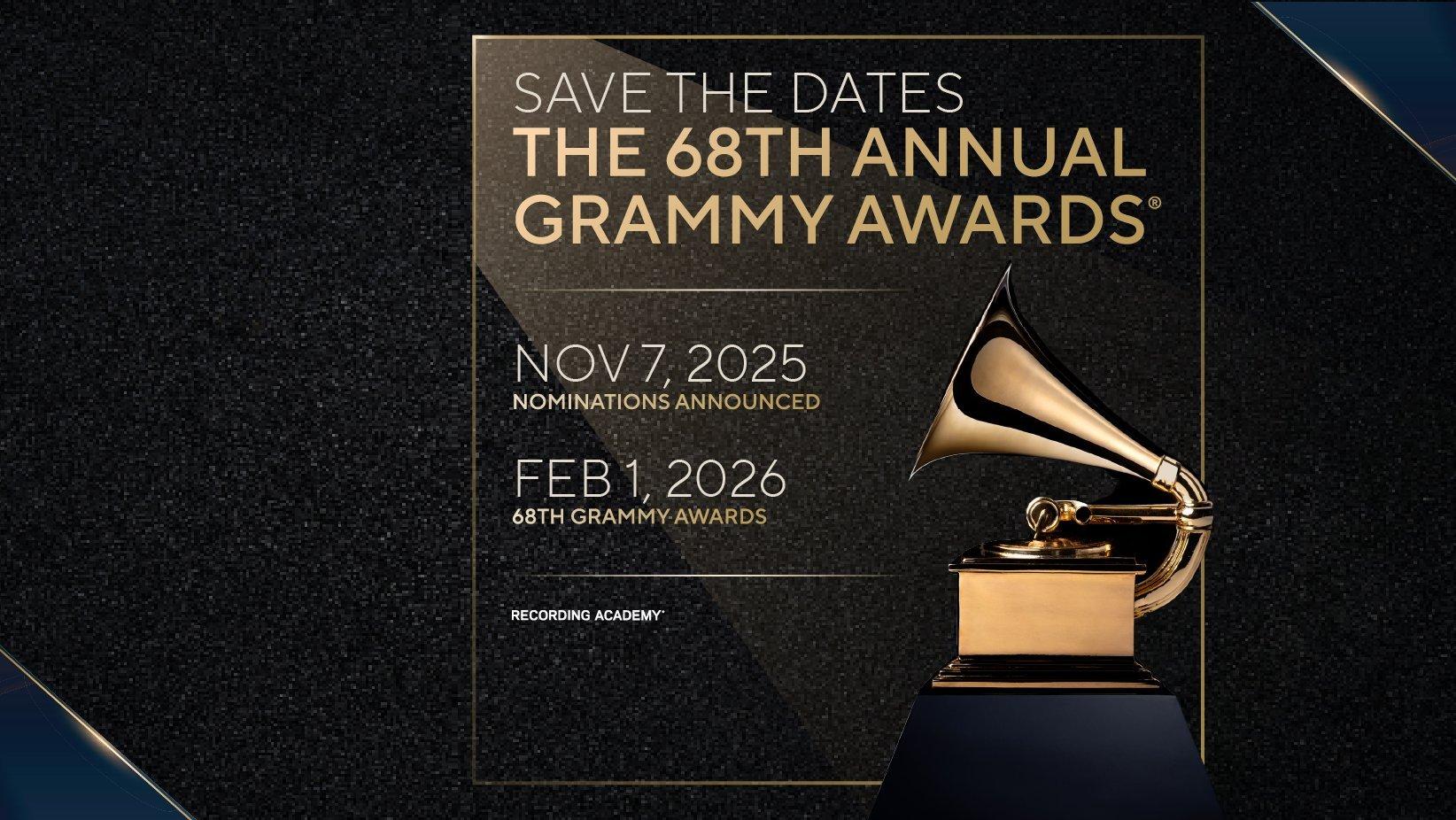
The 68th Annual Grammy Awards music’s biggest night took place on February 1, 2026, at the Crypto.com Arena in Los Angeles, California. Hosted for the sixth and final time by Trevor Noah, the ceremony was a celebration of excellence in music from the eligibility period spanning late 2024 through 2025, but it was also one of the most politically charged Grammy nights in years. Despite all the buzz, the broadcast drew about 14.4 million viewers, roughly 6.4% fewer than the previous year — a slight dip that likely reflected broader trends in awards-show viewership. Critics and commentators quickly centered not on the ratings but on what people said more than what they sang.

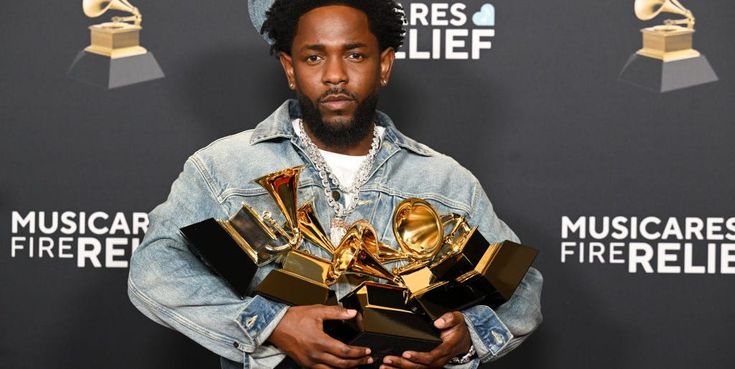
Kendrick Lamar emerged as the most decorated artist of the night, taking home five awards and reaffirming his position as one of the most critically respected figures in modern music. His win for Record of the Year marked his second consecutive victory in the category, maintaining his spot in music’s all time greats. .

Bad Bunny delivered one of the most historic wins of the evening by claimingAlbum of the Year, becoming the first artist to win the Grammy’s top prize with a Spanish-language album. The victory was widely seen as a watershed moment for Latin music, reflecting its global dominance and long-overdue recognition at the highest level of the industry.

Billie Eilish added another major achievement to her career by winning Song of the Year for “Wildflower,” continuing her track record of Grammy success since her teenage debut. The win reinforced her reputation as both a commercial force and a songwriter capable of translating intimate emotion into mass appeal.

Meanwhile, the Best New Artist award went to Olivia Dean, marking a breakthrough moment for the British singer. Her win was widely praised as a recognition of understated artistry and emotional songwriting, and it positioned her as one of the most promising emerging voices of the next era.

One of the most talked-about moments came from Billie Eilish during her acceptance speech for Song of the Year. Standing alongside her brother Finneas, she criticized current immigration enforcement policies and stated, “No one is illegal on stolen land,” before using a now-viral phrase “fuck ICE” which was bleeped on television but widely confirmed online and in reports.
Puerto Rican superstar Bad Bunny, who won Best Música Urbana Album and later Album of the Year, also took aim at ICE. Beginning his speech with “ICE out,” he condemned what he framed as dehumanizing immigration rhetoric, declaring, “We’re not savage, we’re not animals, we’re not aliens. We are humans, and we are Americans,” and urged that “love is more powerful than hate.”
The night wasn’t limited to just those two stars. A number of performers from Kehlani to Olivia Dean wore “ICE out” pins and spoke about immigrant heritage, dignity, and solidarity, amplifying the central theme of opposition to federal enforcement actions.
These politically charged speeches didn’t go unnoticed. Social media quickly buzzed with reactions from supporters praising the artists’ courage to critics accusing them of mixing politics with entertainment. Conservative commentators took particular issue with the blunt language and public platform, with some labeling the event as overly politicized or inappropriate for a music awards show.