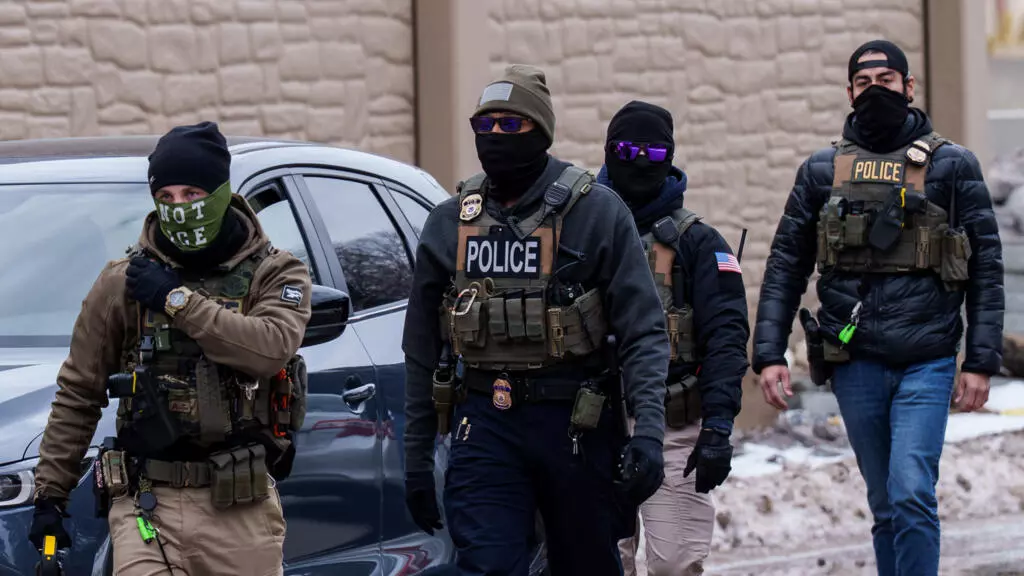
A growing storm is brewing between the U.S. creative community and the White House. Artists are speaking out against the unauthorized use of their songs in Immigration and Customs Enforcement (ICE) videos, accusing the administration of weaponizing art to promote policies they oppose. The dispute highlights deeper tensions between culture, politics, and ownership in the digital age. Imagine scrolling TikTok and suddenly seeing ICE raid footage… set to your fave pop song. Yeah, that’s what’s happening and artists are not having it. The White House has been dropping ICE videos with popular tracks in the background, and artists are calling foul.
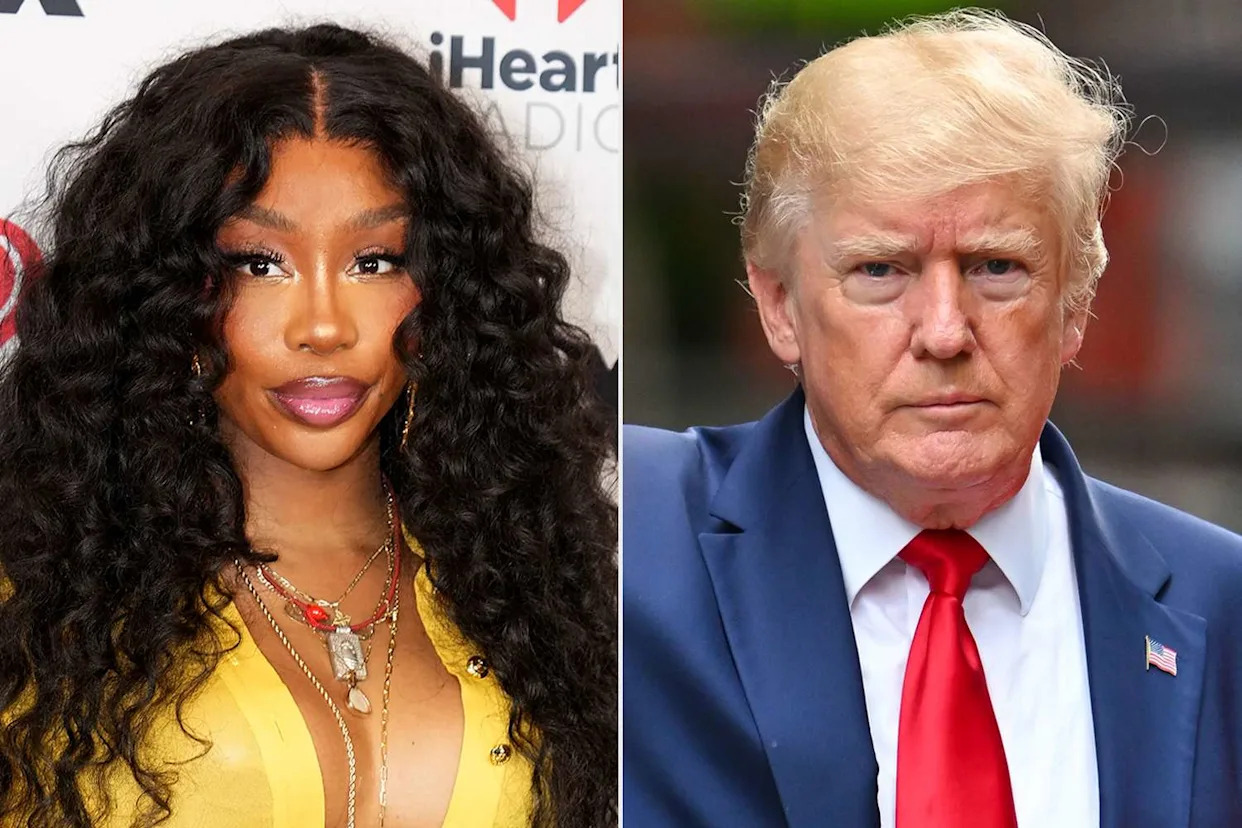
The backlash hasn’t been quiet ,it’s been loud, viral, and unapologetic and some stars decided to speak out: SZA didn’t mince words. After learning her track was used in an ICE video, she accused the White House of “rage-baiting” basically saying they’re trolling artists by hijacking their work to stir up controversy. For SZA, whose music often explores themes of vulnerability and empowerment, seeing it paired with footage of raids felt like a total violation of her art’s meaning. Fans amplified her response across Twitter and TikTok, turning it into a trending conversation about artistic consent. Then came Sabrina Carpenter when her upbeat pop track was dropped into ICE raid footage, the irony wasn’t lost on anyone. Sabrina’s fanbase largely the youth immediately mobilized online, flooding comment sections with criticism and memes. Many pointed out the disconnect between her playful, youthful brand and the grim reality of ICE enforcement. Sabrina herself hasn’t stayed silent, joining the chorus of artists demanding accountability.
Beyond these headline names, musicians across genres have chimed in. Some indie artists have posted threads about how their work is being politicized without consent, while others have shared solidarity posts, reminding fans that music is meant to connect people, not divide them. Even artists not directly affected are speaking up, framing this as a broader fight for creative control. fans, who are hyper-online and quick to mobilize, have played a huge role in amplifying the outrage. TikTok edits, Twitter threads, and Instagram stories have turned the controversy into a cultural moment. Fans aren’t just defending their faves they’re reframing the debate around ownership, ethics, and the misuse of art in politics. So yeah, the White House thought they were making “content” but instead they sparked a whole movement of artists calling them out. And if history tells us anything, artists usually win these battles because culture moves faster than politics.

As of now The White House has not issued a formal apology or licensing clarification regarding the use of artists’ songs in ICE videos. Instead, officials have leaned into the controversy, with critics accusing the administration of deliberately “rage-baiting” musicians by pairing their tracks with immigration enforcement footage to provoke outrage and drive attention online. Rather than addressing copyright concerns or removing the clips, the videos remain posted, signaling that the administration views the backlash itself as part of its messaging strategy a way to amplify ICE’s presence in the digital space while deflecting responsibility for unauthorized use of music.