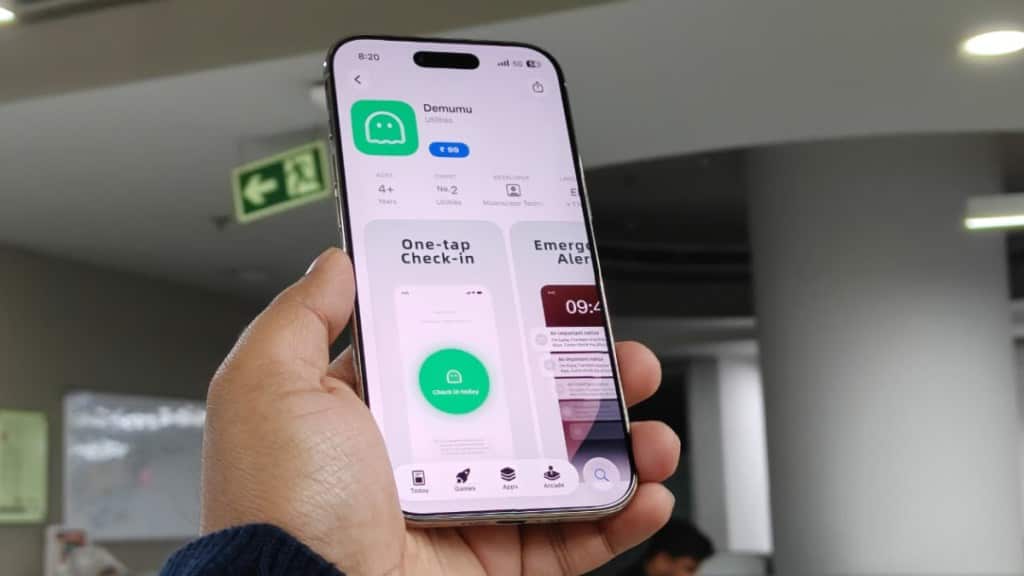
Out of nowhere, an app from China called Sileme – English name: “Are You Dead?” – has shot up the rankings. Sitting at number one among paid apps, it’s drawing eyes globally. People living solo can use it to check in now and then, proving they’re still fine. Instead of vanishing quietly, users get reminded to respond before things go silent.
It starts like this: someone picks a close person – maybe a sibling or pal – and adds their info into the system. A name, maybe a number, nothing more. Forty-eight hours pass, then the screen lights up with one bold tap spot. Pressing it means everything’s fine. When that tap never comes, silence speaks louder. The tool waits just long enough before alerting the chosen contact. Messages go out only when needed, not sooner.
Something shifting in how people live sparked the app. Across China, more individuals find themselves solo workers just starting, university attendees, and elders aging apart from family. By 2030, nearly 1 in 7 homes might hold only one person. Because of these quiet transformations, downloads began climbing fast. It didn’t take long before it surfaced near the top of Apple’s phone application rankings.
Even though it works well, the app’s blunt English title – dark in tone – has stirred plenty of talk across the internet. Welcomed by some as a way to stay safe alone, criticized by others for feeding anxiety about being isolated. Because people reacted in different ways – and attention grew worldwide – the team behind it will switch the name globally to “Demumu” soon. A shift shaped less by function and more by how words land in someone’s ears.
Still going strong, the “Are You Dead?” app sees downloads both inside China and beyond. What started small now ties into bigger talks – how folks manage alone, seek help, or lean on tech just to feel less isolated.
Stay tuned at TeenzNation250